A screen-free coding club · Ages 5–8
Think first. Tap later.
Coding starts with thinking in steps. We teach that part with cards, movement and play, inside your school. No screens, no devices, and no feeling of homework.
- Ages 5–8
- Screen-free
- Learn by playing
The idea
Why we exist
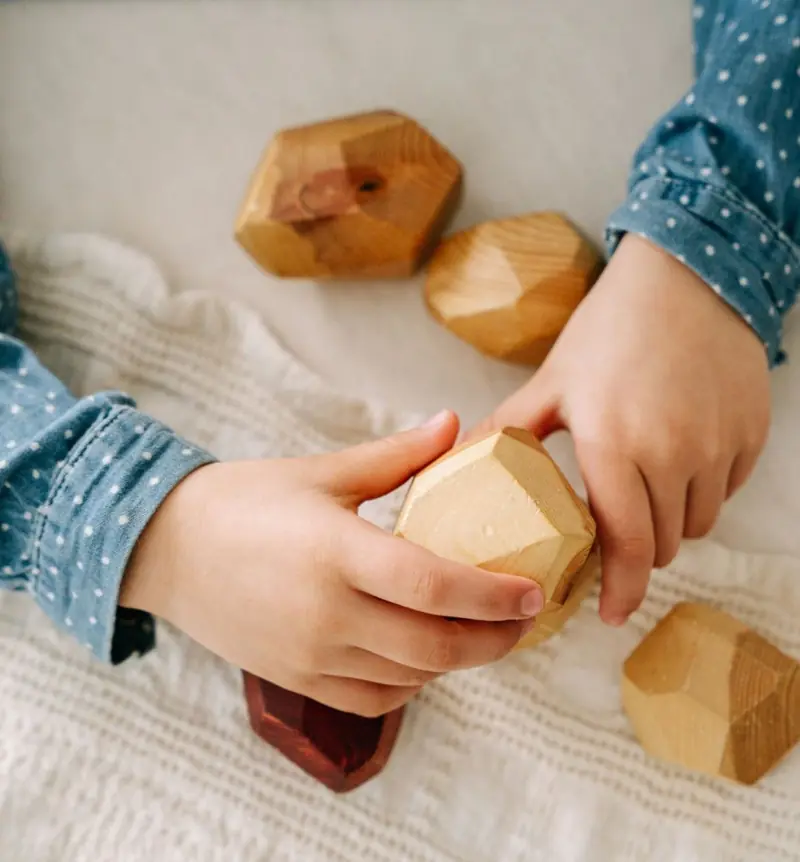
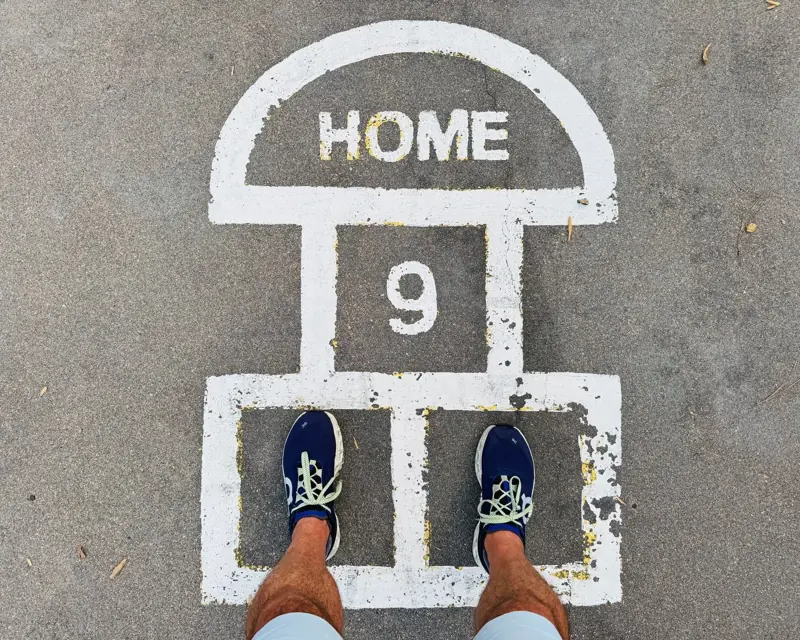
Ask a five-year-old to get from the classroom door to the swings.
Straight, straight, turn left, stop.
That is a sequence. That is an algorithm. They just don't know it has a name. Coding starts there, with thinking in steps. So we start there too: with cards, a floor maze and a child who plays the robot.
The screens can wait. The thinking can’t.
Why we started
It began with a five-year-old.
It started at home, with a boy who was five and a parent who felt it was time to teach him coding and logical thinking.
They tried it together for the first time, and he loved it. So we decided to turn that moment into something real, and to keep going: something that really pulls children in, not something they put up with.
Now we bring it to your school.
The name
From seed to script
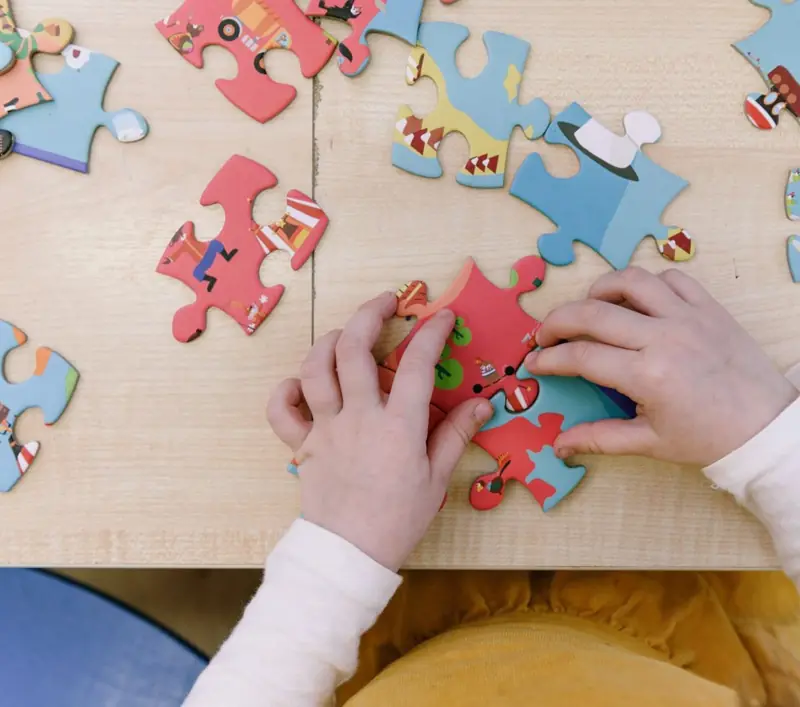
A seed is a whole plant in a very small, quiet shape. A script is the steps that make something happen. Between the two there is a child, trying things out. That is the company.
- Seedan idea, small and quiet
- Stepstry, fail, fix, go again
- Scripta plan that works
The underscore in our logo is the blinking cursor: the place where the next idea goes.
What we believe
Four things we hold on to
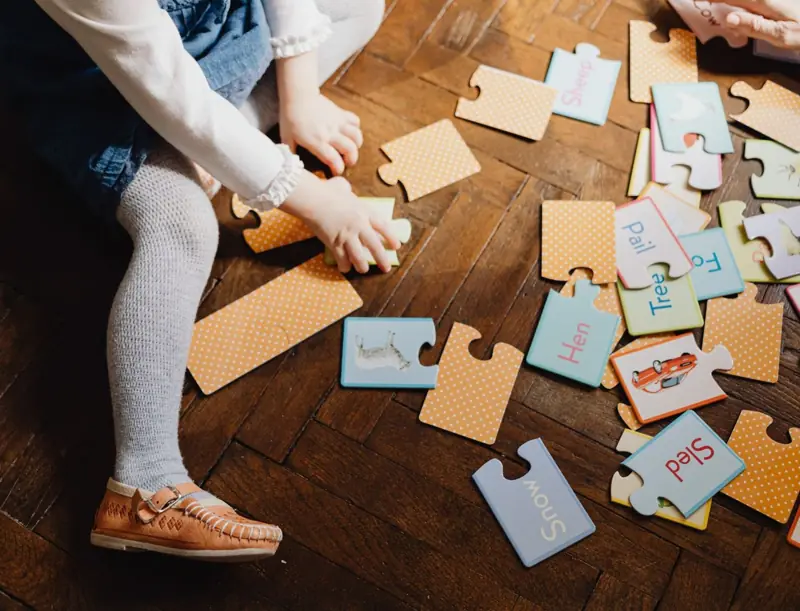
- Think before you tap.Big problems get smaller when you cut them into steps.
- A mistake is material.Try it, watch it fail, fix it, go again. That loop is the skill.
- Bodies think too.Forward, back, left, right is easier to learn with your feet.
- Nobody just watches.Small groups, a turn for every child, a star of the day for every child.
A session, as it feels
Inside the Human Robot
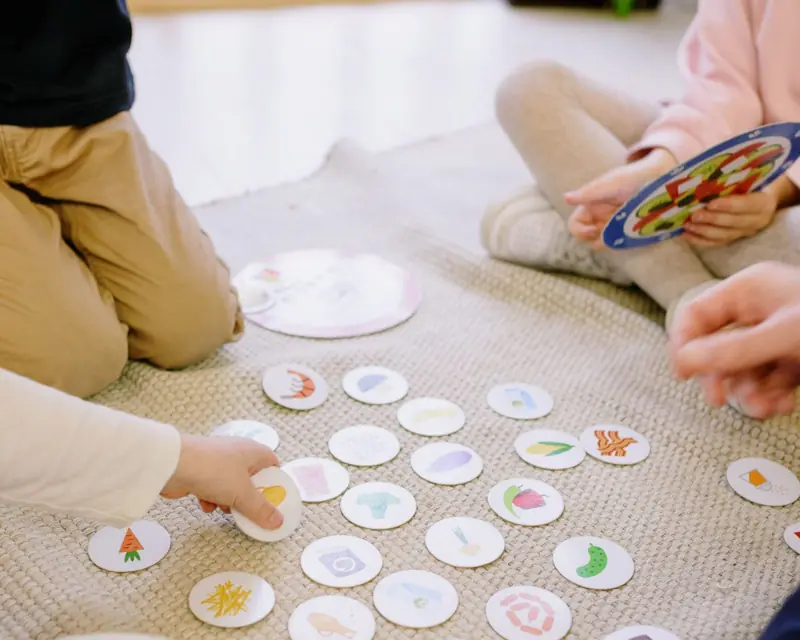
Fifteen to twenty children. One of them is the robot, the rest are the programmers. The first game is Robot Freeze, and by minute five they are laughing. By minute twenty they are guiding a classmate through a card maze, and a wrong turn is the best part. Then a team challenge, then a star for everyone.
- 5 minWarm-up: the “Robot Freeze” game
- 15 minThe four commands, learned by moving
- 15 minCard maze in small groups
- 10 minTeam challenge: who is fastest?
- 5 minWrap-up, and a star of the day for every child
45–60 minutes. Zero screens.
The journey
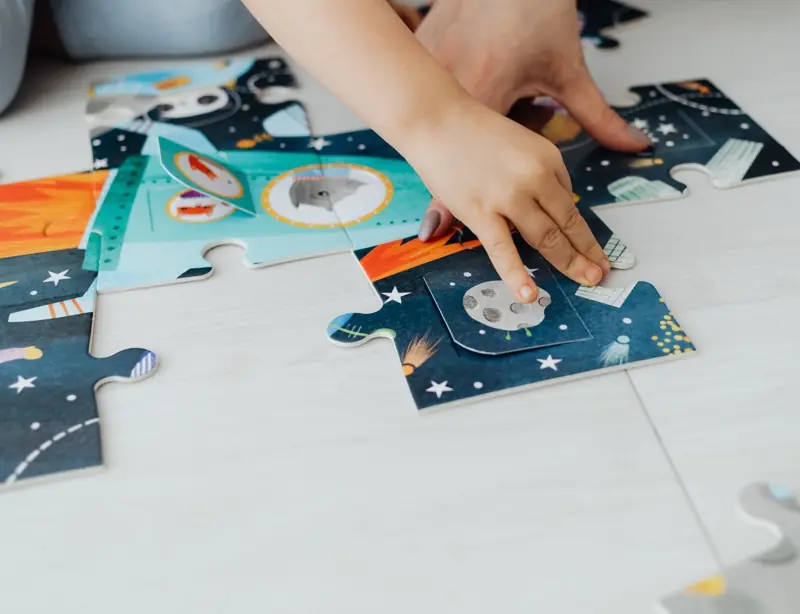
Four sessions, one story
- 1
The Human Robot
Forward, back, left, right. The child IS the robot.
- 2
Sequencing
Steps in the right order: no sandwich before the bread!
- 3
Patterns & loops
Spot the pattern, then teach the robot to repeat it.
- 4
The Maze Project
Guide the robot to the star, then a certificate party!
- Phase 1
The Pilot
4 sessions. The school sees the children's work, then decides.
- Phase 2
Full Term
12 sessions, with an end-of-term showcase.
- Phase 3
Next Levels
For older kids: ScratchJr and robotics, step by step.
We only grow when the school is happy.
For schools
Easy on your school
What we ask of you: a room.
- Something real to showA program parents can see and talk about.
- Nothing to buyNo devices, no labs, no equipment.
- No extra loadThe coach and the curriculum arrive ready.
- Parents in the loopPhotos and the children's work, shared as it happens.
- 0
- devices required
- 15–20
- children per group
- 5–8
- years old
How it starts
Three small steps
- 1
A 15-minute call
A short intro call or meeting with your school leadership.
- 2
A free demo session
See a real session in front of your leadership team.
- 3
A four-session pilot
Your first group of children, and the school decides after.
No commitment before the pilot ends.
Suggested pricing, open to discussion
Suggested figures. No commitment before the pilot.
Good questions
Before you ask
Are there screens or devices in a session?
No. Sessions are fully screen-free and device-free. We work with cards, a floor maze and movement, and a child plays the robot.
What age is it for?
Ages 5 to 8. For older children we are planning next levels such as ScratchJr and robotics, step by step.
What does the school need to provide?
A room. The coach and the curriculum arrive ready, and there is nothing to buy: no devices, labs or equipment.
How many children per group, and how long is a session?
Fifteen to twenty children per group, and a session runs 45 to 60 minutes.
How does it start?
A 15-minute call, then a free demo session for your leadership team, then a four-session pilot. No commitment before the pilot ends.
How much does it cost?
Suggested and open to discussion: 300–400 EGP per student for the pilot (4 sessions) and 1,000–1,400 EGP per student for a full term (12 sessions). Parents can pay, or the school can pay an agreed package.
What will parents see?
We share photos and the children's work as it happens, so parents can see what their child is learning.
Get in touch
Come and watch a child become a robot.
Ask for the free demo session and see it with your own eyes.
Greater Cairo. Schedules set around your school.
see you in class